
Hired and Non-Owned Auto Insurance for Businesses in Texas
If employees use their own vehicles, borrowed vehicles, or rented vehicles for work, your business may still face liability exposure. Hired and non-owned auto insurance can help protect your company when those risks come back to the business.
Jump to a Section
What Is Hired and Non-Owned Auto Insurance?
Hired and non-owned auto insurance, or HNOA, is a type of business liability coverage that may help protect your company when employees or authorized workers use vehicles the company does not own for business purposes. That can include employee-owned vehicles, borrowed vehicles, and rented vehicles used in connection with work.
Many Texas business owners assume a driver’s personal policy or a separate commercial policy somewhere else will solve the problem. But when an accident happens during a work-related trip, the company may still be named in the claim even though the vehicle is not titled in the business name.
That is the type of liability gap HNOA is designed to address.
Why Texas Businesses Should Pay Attention to This Risk
Texas businesses often operate across wide service areas, heavy traffic corridors, delivery routes, job sites, and growing metro regions. That increases the chances that employees or workers will use their own vehicles or rented vehicles for business purposes. If a serious accident happens, a claimant may still try to bring the business into the case.
This is especially important for Texas businesses that rely on field service, real estate activity, home services, contractor work, client visits, deliveries, or occasional vehicle rentals.
Common Real-World Situations Where HNOA May Matter
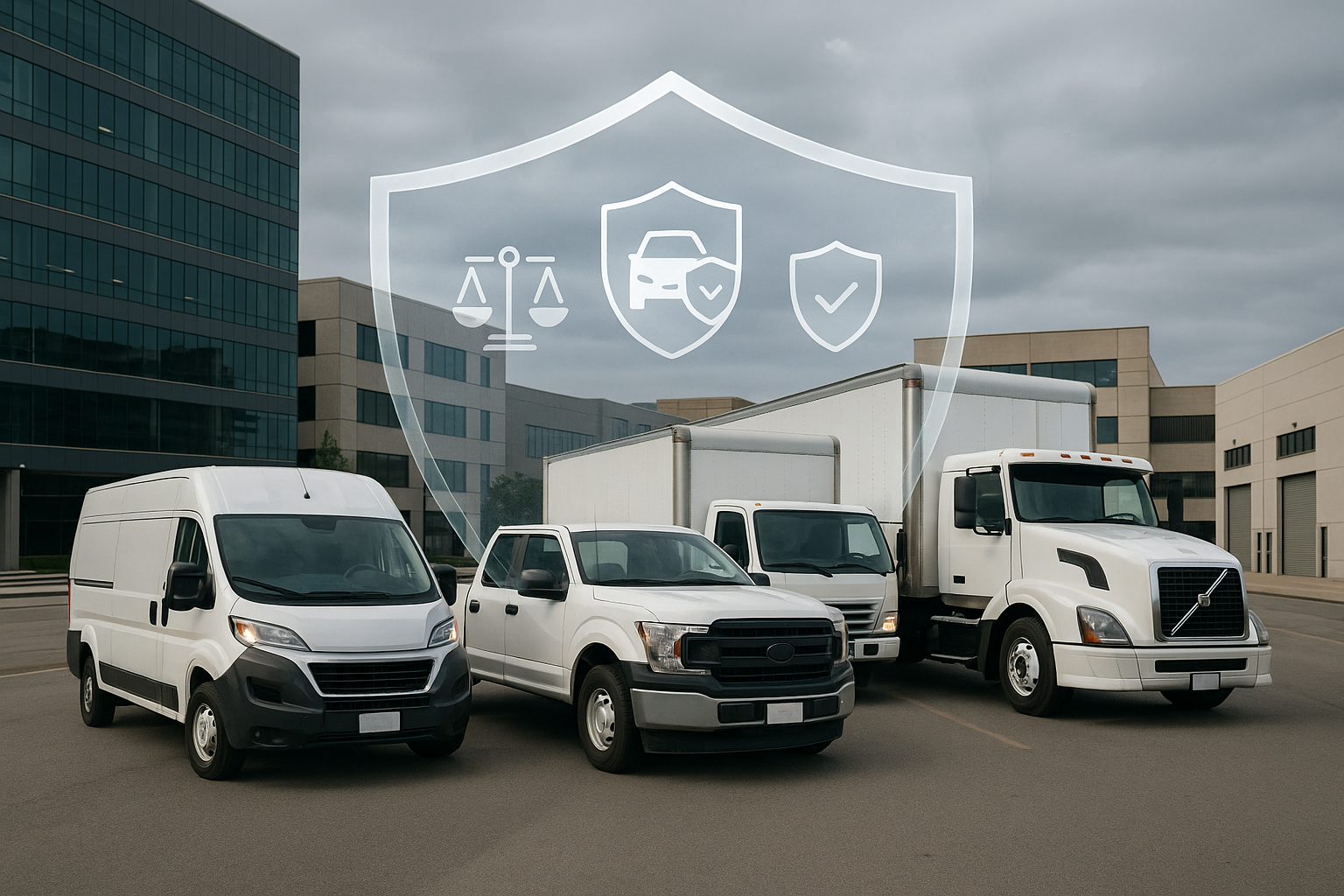
Examples include:
- An employee uses a personal vehicle to visit a client.
- A manager drives to deposit business funds.
- A technician uses their own truck to bring tools or supplies.
- A business rents a van for a temporary event or project.
- A worker uses a borrowed vehicle for a work-related trip.
- A delivery-related errand results in an accident.
- A business gets named in a lawsuit because the trip was work-related.
- A nonprofit uses a rented vehicle for an event.
- A company with no owned autos still has employees driving for work.
- An employee’s personal policy is not enough to satisfy the claim.
In each of these situations, the business may still need liability protection even though the vehicle is not company-owned.
What Hired and Non-Owned Auto Insurance May Cover
HNOA is generally focused on protecting the business against certain covered liability exposures involving non-owned or hired vehicles used for business purposes.
Bodily injury and property damage liability
If a covered accident leads to injury or property damage and the business is found legally responsible, HNOA may help address those liability costs.
Legal defense and related claim costs
If the business is named in a lawsuit, HNOA may help with covered legal defense and claim-related expenses subject to the policy terms.
Business exposure above personal auto limits
If a worker’s personal auto coverage is not enough and the company is also targeted, HNOA may help protect the business side of the liability exposure.
Short-term rented vehicle exposure
HNOA may also be relevant when the business rents a vehicle temporarily for work use, depending on how the policy is structured.
Who May Need Hired and Non-Owned Auto Insurance in Texas?
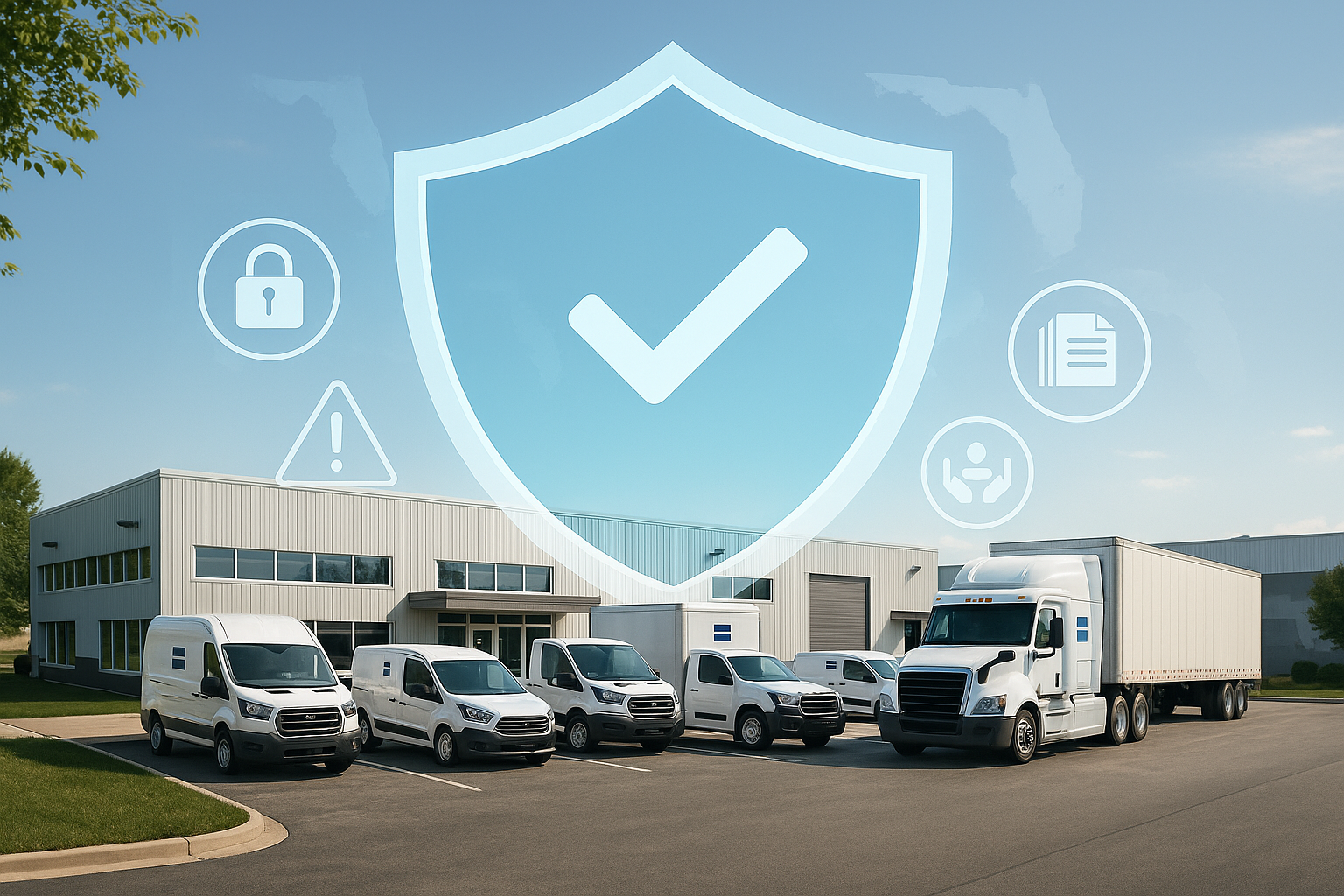
Texas businesses that rely on employees or workers driving non-company vehicles for work should strongly consider reviewing HNOA.
- Contractors and trades
- Home service businesses
- Real estate professionals
- Consultants and sales teams
- Healthcare and in-home service providers
- Churches and nonprofits
- Restaurants with delivery or errands
- Professional offices with employee driving exposure
- Small businesses renting extra vehicles as needed
- Any operation with staff on the road
Even without company-owned vehicles, the business may still have meaningful vehicle-related liability exposure.
How Much Does HNOA Cost?
Pricing depends on the business type, employee driving activity, radius of travel, claims history, and the overall risk profile of the company. The best way to understand cost is to review the actual business operation and existing insurance structure.
Why Work With The Dupuy Insurance Team?
HNOA should be reviewed as part of a broader business insurance strategy, not in isolation. The Dupuy Insurance Team helps Texas businesses look at how hired and non-owned auto insurance may fit with their other liability and commercial policies.
- Access to multiple commercial insurance options
- Help identifying vehicle-use liability gaps
- Experience with businesses that rely on employee driving
- Practical review of existing business insurance structure
Frequently Asked Questions About Hired and Non-Owned Auto Insurance
Do I need HNOA if my business owns no vehicles?
Possibly yes. That is often when HNOA becomes especially important if workers use personal vehicles for business tasks.
Is HNOA the same as commercial auto insurance?
No. Commercial auto is generally designed for company-owned vehicles, while HNOA addresses certain business liability involving non-owned or hired vehicles.
Does HNOA cover physical damage to the employee’s vehicle?
HNOA is generally liability-focused. Coverage details depend on the policy wording and structure.
Can HNOA be added to my current business insurance?
In many cases it may be added by endorsement or coordinated with other commercial policies, depending on the insurer.
The Dupuy Insurance Team — helping Texas businesses close coverage gaps and protect what they have built.